Dreamy: The Handwritten Font for Your Creative Shop
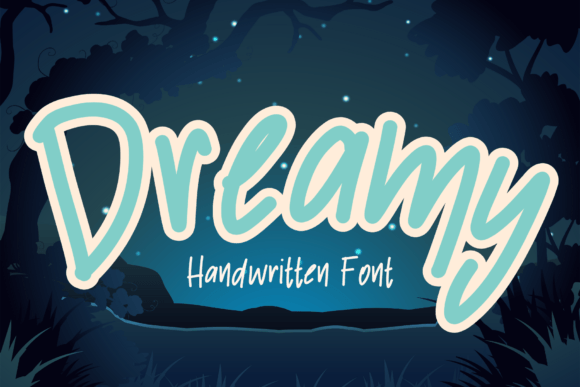
The backing paper of my first sticker sheet is a little crumpled. I’ve peeled it off, tested it, and stuck it on again more times than I can count. But right now, it’s pressed flat on my worktable, and I’m carefully aligning the text for my latest set of herb garden labels. The letters flowing across my screen aren’t my usual, neat sans serif. Instead, they’re Dreamy – a playful, authentic handwritten font that makes even “Basil” and “Thyme” look whimsical and full of personality.
More Than a Font, It’s a Creative Partner
Working with a new typeface is like welcoming a new tool into your studio. Dreamy isn't just a set of letters; it's a specific mood. It has that genuine handwritten charm, with a flow that feels organic and a touch that feels personal. Its playful bounce and relaxed curves embody an accessible, friendly warmth. For anyone making physical products or digital downloads – candle labels, greeting cards, wedding invitations, or boutique packaging – this font becomes a creative partner. It adds that layer of authenticity that customers often seek in handmade goods, transforming simple text into a key part of your product’s visual story.
Bringing Products to Life, From Labels to Wall Art
I’ve seen Dreamy come to life on so many surfaces in my own shop. It’s become my go-to for projects where the text needs to feel special, not just functional.
- Product Labels & Packaging: On candle jars, soap boxes, and honey bottles, the font turns a simple brand name or ingredient list into a decorative element. It softens the presentation, making the product feel curated and lovingly made.
- Greeting Cards & Invitations: For birthday cards or wedding invitations, Dreamy handles the main event text beautifully. “Save the Date” or “Celebrate With Us” gains a celebratory, personal touch that a rigid typeface just can’t provide.
- Printable Wall Art & Digital Downloads: In digital templates for quotes, seasonal calendars, or planner pages, this script font adds a handmade feel even to a digital file. It makes the preview images for your listings feel cohesive and artist-driven.
- Physical Merchandise: When applied to mugs, tote bags, or signs via heat transfer or vinyl, its consistent weight and clear forms translate well. A phrase like “Home Sweet Home” on a farmhouse-style sign looks effortlessly crafted.
- Shop Branding: Used sparingly in logos, social media graphics, or on your website’s headers, Dreamy can establish a recognizable brand voice. It signals a creative, personable business.
A Font for Display, Not for Paragraphs
Understanding a font’s best use is crucial for product design. Dreamy, like many lovely script fonts, is a display font. It shines when used for short phrases, names, titles, and decorative wording. I wouldn’t use it for the full body text of a recipe booklet or the lengthy instructions on a pattern sheet – its charm is best appreciated in focused doses. This makes it perfect for product labels where you might have just a product name and a short tagline, or for invitation suites where the key details are highlighted.
Practical Advice for Makers and Sellers
Bringing a font like this into your production process requires a few practical considerations to ensure your final product – whether a physical sticker or a digital PDF – looks its best.
First, consider readability. When using Dreamy for small items like sticker details or tiny product tags, ensure you’re using a size that keeps the letters distinct. Test a print on your actual material. For cutting machines like Cricut or Silhouette, its well-defined character shapes usually trace cleanly, but always do a test cut on scrap material first, especially for intricate phrases.
Font pairing is another essential tool. Dreamy’s handwritten style pairs beautifully with a clean, neutral sans serif or a simple serif font. On a wedding welcome board, for instance, I might use Dreamy for the couple’s names and “Welcome” in a large size, and then a crisp sans serif for the smaller details like date and location. This pairing creates balance – the script adds emotion and highlight, while the simpler font ensures all information is easily readable.
Before You Sell: Checking the Details
When you’re using a font for commercial purposes – selling physical products with the font applied, or selling digital downloads or templates that include it – licensing is paramount. Always verify that your license for Dreamy covers commercial use. Most premium fonts from reputable marketplaces do, but it’s a vital step.
Also, explore the font’s included features. Does Dreamy have alternates or ligatures? These can add even more customization to your designs, allowing you to swap out a standard letter for a more decorative one, making a product name truly unique. Check the file formats to ensure you have the versions you need for your software (like OTF or TTF for design programs, or perhaps SVG for certain uses). Consider multilingual support if your market or products require characters beyond standard English.
These checks aren’t just bureaucratic; they’re part of respecting the design asset and ensuring your shop’s output is professional and uninterrupted.
The Emotional Appeal in Your Presentation
The ultimate reason a font like Dreamy finds its way into so many maker’s toolboxes is its effect on presentation and perception. On a product, it can elevate perceived quality. A candle with a generic label feels mass-produced; the same candle with a beautifully scripted label using Dreamy feels artisan. For branding, it fosters consistency – your customers begin to recognize your style through that typographic voice. And most importantly, it engages on an emotional level. That warm, playful authenticity can make a birthday card feel more heartfelt, a wedding invitation feel more romantic, and a simple tote bag slogan feel more personal.
My herb garden stickers are finally ready for the cutter. Seeing the words “Lemon Balm” and “Mint” rendered in Dreamy on the mockup, I know they’ll add just the right touch of charm to the pots. It’s in these small, tangible moments – designing a label, testing a sticker, choosing text for a mug – that a font transcends being just a software option. It becomes a vital part of the handcrafted story you’re telling, one letter at a time.