The Creative Partner: Using Have No Money as Your Everyday Font
The printer whirrs, sending a fresh sheet of labels onto the tray. I peel one off, feeling the smooth matte finish, and press it onto a clean glass jar. I step back and smile. The words 'Wild Lavender & Honey' are no longer just typed text; they feel alive, personal, and inviting. That transformation happened when I swapped a standard font for Have No Money. This handwritten monoline font has become the quiet, essential collaborator in my crafting studio, turning product labels, greeting cards, and digital designs from merely functional into genuinely charming.
The Personality of a Handwritten Touch
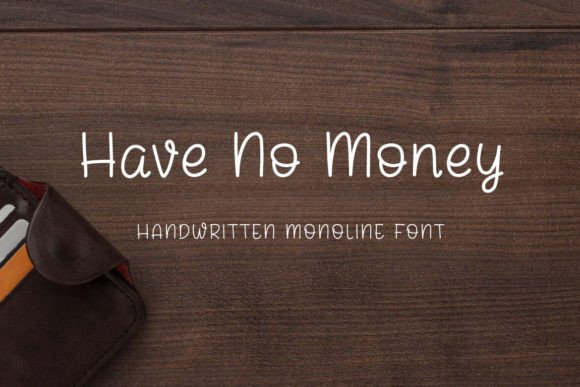
Have No Money carries a specific mood: friendly, approachable, and effortlessly creative. Its monoline construction—meaning uniform stroke weight—gives it a clean, consistent look that remains incredibly legible. Yet, its handwritten nature infuses every letter with a subtle, organic warmth. It doesn’t shout with extravagant swashes; instead, it speaks with a gentle, confident voice. This balance is its magic. It feels crafted, not computerized, which is precisely the aesthetic so many handmade sellers and product makers strive to communicate. Whether your brand leans toward rustic farmhouse, modern minimalist, or playful contemporary, this font’s versatility allows it to adapt, adding a human touch without overpowering your design.
Bringing Products to Life: From Mockups to Merchandise
My journey with Have No Money started with a simple candle label mockup. I needed text that felt artisan-made to match the product. It worked beautifully. But its utility exploded as I began applying it across my shop materials.
- Labels & Packaging: From spice jar labels to boutique soap wrappers, the font makes product names and descriptions feel lovingly annotated. It’s perfect for short, impactful phrases like ‘Handmade in Small Batches’ or ‘Eucalyptus Mint.’
- Greeting Cards & Invitations: For birthday cards or wedding invitations, using Have No Money for the main names or event titles instantly elevates the design. It pairs wonderfully with a clean sans serif for the details, creating a beautiful hierarchy.
- Digital Printables & Wall Art: In printable quote art or planner pages, the font adds a journal-like, personal feel. It’s excellent for titles and decorative wording in digital downloads.
- Signs & Merchandise: When designing vinyl for a wooden welcome sign or text for a tote bag, its clarity ensures successful cutting for machines like Cricut or Silhouette, and its style ensures the final product looks designed, not just printed.
- Branding & Social Media: Consistency is key. Using Have No Money across your shop logo, Instagram graphics, and listing previews builds a recognizable, cohesive brand identity that customers begin to associate with your unique style.
Practical Considerations for Makers
While the aesthetic appeal is immediate, practical success matters for sellers. Here’s how Have No Money performs in real-world making.
For readability, especially on small items like stickers or product tags, its clear monoline strokes are a significant advantage. They remain distinct even at smaller sizes, unlike some more delicate scripts that can blur. When printing physical cards or labels, it produces crisp results. On digital mockups and listing images, it renders beautifully, making your online shop look professional and polished.
Thinking about font pairing is crucial. Have No Money shines as a display font for headlines, titles, and key phrases. For supporting text—like ingredient lists, addresses, or longer descriptions—I pair it with a simple, neutral sans serif (like a clean geometric font) or a basic serif. This combination keeps the design balanced and highly functional. It can also work alongside other handwritten fonts for a layered journal effect, but simplicity often wins for product presentation.
A Checklist Before You Sell
If you intend to use the font for physical products, merchandise, or digital templates you sell, a few technical checks are essential. Always verify the commercial license included with your purchase of Have No Money to ensure you’re covered for selling your final goods. Explore the character set for any alternates or ligatures that might add extra flair to specific words. Check the supported file formats (like OTF, TTF) to ensure compatibility with your design software, whether it’s Adobe Illustrator, Canva, or cutting machine software. Consider its multilingual support if your products use characters beyond standard English. Doing this due diligence upfront means you can create and sell with confidence, knowing your typography foundation is solid.
The Unspoken Impact on Your Shop
Beyond the visible design, a font like Have No Money influences perception. On product labels, it subtly suggests care and attention, enhancing perceived quality. For wedding stationery or premium invitations, it contributes to an emotional, personal mood. Consistent use across your branding—from packaging to social media—builds a visual thread that customers remember, fostering recognition and trust. In a marketplace filled with competition, these subtle details of presentation become powerful tools for engagement. They help tell the story of your brand before a customer even reads a single word of your description.
Seasonal projects are a perfect test. Designing autumn harvest market tags or festive holiday card sets with Have No Money feels joyful. The font adapts, bringing a hand-crafted warmth to ‘Pumpkin Spice’ or ‘Merry & Bright’ that a rigid typeface could never achieve. It’s become my go-to for any project where I want the text to feel like it was made with the same intention as the product itself.
In the end, for crafters and makers, our tools must serve both beauty and function. Have No Money, as a handwritten monoline font from the Script Amp category, does exactly that. It is a design asset that doesn’t just sit in your font library; it actively participates in the creation of your labels, cards, packaging, and downloads. It turns ordinary text into a signature part of your handmade story, one that resonates with warmth and creative authenticity every time you press print, cut vinyl, or upload a new design.